How to Fix Wobbly Dining Chairs for Good
To fix wobbly dining chairs, find the loose joint first, then tighten its hardware or reglue a loose wood joint. Let repairs cure fully and check the chair on a level floor before using it.
On this page (7 sections)
- How do you find the cause of a wobbly dining chair?
- How do you tighten loose dining chair hardware?
- How do you reglue a loose wood joint?
- What if a chair leg or joint is cracked?
- How do you check the chair after repair?
- How can you prevent dining chairs from wobbling again?
- When should you replace a wobbly dining chair?
To fix wobbly dining chairs, find the loose joint first, then tighten its hardware or reglue a loose wood joint. Let repairs cure fully and check the chair on a level floor before using it.
A chair can wobble because a screw has loosened, a glued joint has separated, a leg is damaged, or the floor is uneven. Work through those causes one at a time so you don't tighten the wrong part or cover up a structural problem.
How do you find the cause of a wobbly dining chair?
Turn the chair upside down and check each leg, rail, and connection for movement. Ask someone to steady the chair while you gently move one part at a time.
Look for screws that turn easily, gaps where wood parts meet, and cracked or split pieces. If every connection feels firm, set the chair on a level floor and see whether one leg fails to touch.
Don't sit on the chair to test a repair before you know what is loose. A sudden shift can cause a fall or make a small joint failure worse.
Is the chair wobbling because of the floor?
Check the chair on a different level surface before repairing it. If the wobble disappears, the floor may be uneven rather than the chair.
If it still rocks, press each leg gently and watch for movement where it joins the seat or a crosspiece. Avoid trimming a leg until you know the chair itself is assembled correctly.
How do you tighten loose dining chair hardware?
Tighten accessible screws and bolts with the correctly sized tool. Turn each fastener until snug, then stop; overtightening can damage wood or strip the threads.
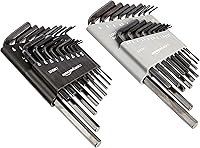
Some chairs use hex socket screws that need a hex key, while others use a screwdriver or wrench. The Amazon Basics 36-Piece Hex Key Set includes SAE and metric sizes, with long and short arms, so you can match a key to a hex fastener.
Seat fasteners can be hard to reach, so use a key that fits fully into the screw head. If it slips, stop and try another size rather than rounding the fastener.
If the screw spins without tightening, the hole may be stripped or the wood may be damaged. Don't force a larger screw into the hole; repair or replace the affected part first.
How do you reglue a loose wood joint?
Reglue a joint only when its wood parts are intact and fit together without force. Remove the loose connection carefully, clear away old loose adhesive where practical, and follow the glue maker's directions for application and curing.
Dry-fit the parts before applying glue. Confirm the joint aligns and the chair sits evenly, since glue can make a misaligned repair permanent.
Titebond III Ultimate Wood Glue is designed for interior and exterior applications, and its waterproof formula cleans up with water. The stated full cure time is 24 minutes, but follow the product directions for assembly and clamping.
Apply glue as directed and wipe away squeeze-out according to its instructions. Avoid getting glue on upholstery or finished surfaces unless you know how to clean it safely.
Should you clamp the chair after gluing?
Use a clamp to hold the joint aligned while the glue cures, if the joint needs pressure to stay together. Keep the chair square and check that all legs rest evenly before the glue sets.
The IRWIN QUICK-GRIP One-Handed Bar Clamps have non-marring pads and a quick-release trigger. The set converts to a spreader, but use the clamp configuration and pressure appropriate to the chair joint.
Don't over-tighten a clamp, which can squeeze out too much glue or distort a part. Follow the glue directions for clamp time and full cure time before putting weight on the chair.
What if a chair leg or joint is cracked?
Stop using the chair if a leg, rail, or other load-bearing part is cracked or split. Glue alone may not restore a damaged structural piece.
A loose joint that opens again after repair can also indicate worn or damaged wood. A furniture repair professional can assess whether the part needs reinforcement or replacement.
If the chair is part of a set and you are comparing replacement options, see whether dining chairs have a weight limit. That guide explains why a chair's capacity and condition both matter.
How do you check the chair after repair?
Wait for the glue's full cure time, then place the chair on a level floor and check each leg. Apply gentle pressure to the seat and back before anyone sits down.
Watch for movement at the repaired joint, new creaks, or a leg lifting off the floor. If anything shifts, stop using the chair and inspect the repair again.
A repair should leave the chair steady without forcing the legs apart or twisting the frame. For seat and surface upkeep, see how to stop bar stools from squeaking and how to stop bar stools from scratching the floor.
How can you prevent dining chairs from wobbling again?
Check chair joints and fasteners periodically, especially if a chair gets frequent daily use. Tighten loose hardware before it causes movement, and don't drag chairs by their backs or arms.
Keep the chair on a stable surface and avoid using it as a step stool. If floor contact is uneven, confirm the chair isn't damaged before considering a floor protector.
For room planning, how much space between dining chairs can help you arrange seats so they move without bumping into each other. For a wobbly chair, though, repair the cause before returning it to the table.
When should you replace a wobbly dining chair?
Replace the chair or have it professionally repaired if a leg or rail is cracked, the joint won't stay together, or the frame remains unstable after a careful repair. A chair that moves under light pressure isn't ready for use.
If the problem is only a loose fastener or an intact joint that has separated, a careful tightening or reglue may be enough. Choose the repair based on what moved: hardware gets tightened, sound wood joints get reglued, and damaged structural parts need expert attention.
Frequently asked questions
Can you fix a wobbly dining chair with wood glue?
Yes, wood glue can help if a wood-to-wood joint has come loose and its parts still fit together. Remove old loose glue where practical, apply glue as directed, reassemble the joint, and clamp it while it cures.
A split or damaged part may need replacement instead.
How long should a glued dining chair stay clamped?
Follow the glue maker's directions for clamping and curing, and keep the chair unused until the full cure time has passed. A joint can feel firm before it reaches its stated cure time.
Don't sit on the chair to test it while the glue is still setting.
Why is my dining chair still wobbly after tightening the screws?
The movement may come from a loose wood joint, a stripped screw hole, a cracked rail, or an uneven floor rather than a loose screw. Check each leg and stretcher separately, then inspect the chair on a level surface.
Stop using it if a structural part is cracked.
Is a wobbly dining chair safe to use?
A chair that shifts, rocks, or has a cracked leg or rail can fail under weight, so don't use it until you find and repair the cause. If a joint keeps loosening or a structural piece is damaged, ask a furniture repair professional to assess it.