How to Stop Bar Stools From Scratching the Floor
Clean the stool feet, fit floor protectors that match their shape, and replace worn or gritty pads. Lift stools when moving them, and check the protectors often for trapped grit.
On this page (7 sections)
- What causes bar stools to scratch the floor?
- How do you fit felt pads to bar stool legs?
- When does a fitted leg protector make more sense?
- How should you move stools without scraping the floor?
- How often should you check stool floor protectors?
- How do you choose the right protector for your floor?
- How can you prevent scratches from coming back?
To stop bar stools from scratching the floor, clean their feet, fit protectors that match the legs, and replace worn or dirty pads. Lift stools when moving them, and check underneath the protectors for grit that could drag across the floor.
Start by turning each stool carefully to inspect its feet. A rough edge, loose fastener, or trapped bit of dirt can scrape the floor even when a protector is present.
What causes bar stools to scratch the floor?
Worn protectors, grit, and bare or damaged stool feet are common causes of scratches. A protector only helps when it covers the point that touches the floor and remains clean and secure.
Check the stool legs and feet for sharp edges, cracked plastic, exposed metal, and loose caps. Wipe away dust and grit before fitting a new protector; otherwise, debris can get trapped underneath.
If the stool rocks or a foot sits unevenly, address that first. Our guide to how to fix wobbly dining chairs covers basic checks for loose joints and uneven contact.
How do you fit felt pads to bar stool legs?
Choose a pad that covers the stool foot, then stick it to a clean, dry surface. Press it firmly into place and check that its edges sit flat.
Measure the contact area before choosing a pad, and compare its shape with the leg. A small round pad may not protect a wide square foot, while an oversized pad can catch as the stool moves.
The X-PROTECTOR set includes round and square pads, along with larger rectangular pieces. Its range of sizes can help when stool feet differ, but check that each selected pad fully covers its contact area.
For adhesive pads, remove dust and let the foot dry before sticking one on. Press around the edges, then give the adhesive time to hold before sliding the stool.
When does a fitted leg protector make more sense?
Use a fitted cover when the leg shape makes an adhesive pad difficult to attach or keep in place. Check the leg's measurements and the cover's intended range before buying.
The Square Chair Leg Floor Protectors are silicone covers with a felt bottom. The square L size fits legs with sides from 1 1/16 to 1 5/8 in, and the covers are designed for hard floors, not carpet.
Measure each leg at the floor end, since dimensions can vary between the top and bottom. The maker says the covers stretch over the leg and stay in place without adhesive.
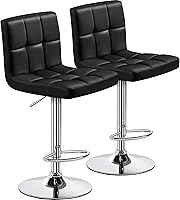
Skip this style if your stool has round legs, a different square size, or a base that doesn't have separate legs. For adjustable models with a central pedestal, check the base's floor contact points instead.
How should you move stools without scraping the floor?
Lift the stool when you can, rather than dragging it across the floor. If it's too heavy to lift safely, move it slowly and check that the protectors are in place first.
Avoid twisting a stool across the floor while someone is seated on it. The added weight and pivoting motion can strain the legs and push a protector out of position.
For stools that need to slide during daily use, choose protectors designed to glide on your floor type. A 1-inch round adhesive pad may suit a clean, flat foot that matches its size.
Smart Surface says these pads suit hardwood, linoleum, ceramic tile, and laminate. Make sure the stool feet have a flat area large enough for the 1-inch round pads before choosing them.
How often should you check stool floor protectors?
Inspect protectors regularly and replace any that are loose, worn, or dirty. A quick check is especially useful if stools move often or the floor gets dusty.
Turn the stool over and look for a pad that's peeling, flattened, or missing. Wipe the floor-facing side of a reusable cover or replace an adhesive pad if grit has become embedded in it.
Check the floor beneath the stool, too. If you spot a new mark, stop moving the stool until you find the cause and fix it.
How do you choose the right protector for your floor?
Match the protector to both the stool foot and the floor surface. Felt pads and felt-bottom covers are intended for hard floors, while a carpeted room calls for a different approach.
Measure the foot at its widest point and note whether it's round, square, or rectangular. If you need help choosing stool dimensions before buying, read how to measure for bar stools and what size bar stools fit your counter, island or bar.
Check the protector material and intended surfaces before installing it. Don't assume a cover made for one leg shape will stay secure on another.
How can you prevent scratches from coming back?
Keep stool feet clean, inspect their protectors, and lift stools when repositioning them. These habits help catch a loose pad or trapped grit before it marks the floor.
When a stool starts squeaking, inspect the feet as well as the joints; a worn protector may be part of the problem. See how to stop bar stools from squeaking for more checks.
Choose adhesive felt for flat feet that match the pad size, or fitted covers for compatible legs. For more seat care and repair advice, browse the seat care and fixes guide.
Pick the protector that fits the stool's contact point and floor, then replace it when it no longer sits cleanly and securely. If you're still choosing seating, compare the base styles in our guide to the best counter stools.
Sources:
- U.S. General Services Administration, Floor Maintenance and Safety
- National Wood Flooring Association, Hardwood Floors Magazine
Frequently asked questions
What is the best way to stop bar stools from scratching the floor?
Clean each stool foot, then attach a felt pad or fitted protector that covers its contact point with the floor. Match the protector to the foot's shape and size.
Check it often for dirt, wear, or a loose edge, and lift the stool when moving it.
Do felt pads work on bar stools?
Felt pads can help protect hard floors from scratches and scuffs when they fit the stool feet and stay clean. Use adhesive pads on a clean, dry surface, and replace them if they peel, flatten, or collect grit.
A fitted cover may suit legs that don't hold adhesive pads.
How often should I replace bar stool floor protectors?
Check protectors regularly, especially if stools move every day. Replace a pad when it is worn thin, dirty, loose, or missing, since debris caught underneath can scratch the floor.
The right replacement interval depends on how often the stools move and the floor they stand on.
Can I use chair leg covers on bar stools?
Yes, if the cover is made for the leg's shape and measurements and its floor contact material suits your hard floor. Measure each leg before choosing a cover.
Some covers are designed for hard surfaces and aren't intended for carpet.